

CoreOps overview
Accountable technology operations for the work between systems.
CoreOps gives your business one operating partner for the technology responsibilities that are easy to overlook, difficult to coordinate, and costly to leave unclear.
How CoreOps enables dependable services
Independent operating functions that strengthen CoreOps.
Each function addresses a distinct operational need and can be applied to the agreed services in your environment—keeping responsibilities clear, work visible, and changes accountable.

Service and asset inventory
A maintained view of critical systems, accounts, suppliers, and operational dependencies.

Responsibility register
Documented ownership for recurring tasks, approvals, provider relationships, and escalation paths.

Provider coordination
A single coordination point for requests, changes, and incidents involving internal teams and third-party providers.

Access and renewal oversight
Visible tracking for access checks, renewal dates, service reviews, and follow-ups across the agreed scope.

Change and risk records
Clear records of changes, decisions, risks, and agreed improvements to the operating baseline.

Operational reporting
A concise service view that makes responsibilities, open actions, and operating priorities easier to review.
Common operational risks
The gaps customers encounter before CoreOps.

Unclear ownership
Important tasks sit between teams, suppliers, and internal staff. When something changes or fails, no one is clearly accountable for coordinating the next step.

Expiring or exposed access
Domain renewals, SSL certificates, firewall access, and Microsoft 365 accounts can drift without an agreed review process and clear records.

Fragmented service history
Configuration notes, supplier details, and past decisions are scattered. A routine change becomes slower and riskier than it should be.
CoreOps services
Essential technology services, made operationally accountable.
Choose the services that matter to your environment. Each one gets a visible owner, dependable records, coordinated providers, and an accountable operating route.

Firewall
Maintain a clear record of firewall ownership, access changes, supplier handoffs, and planned reviews.
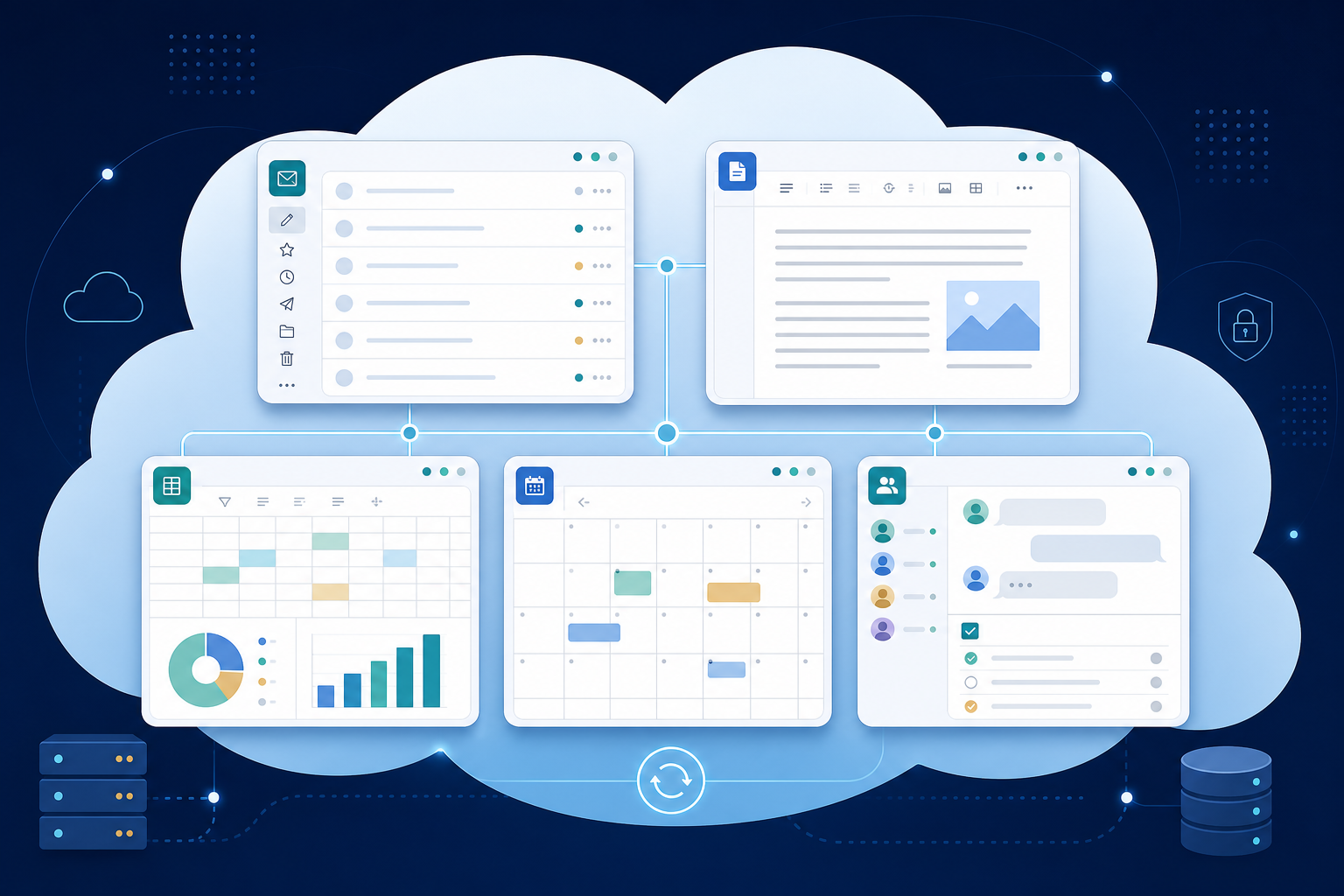
Microsoft 365
Coordinate account access, security settings, ownership notes, and day-to-day administration priorities.
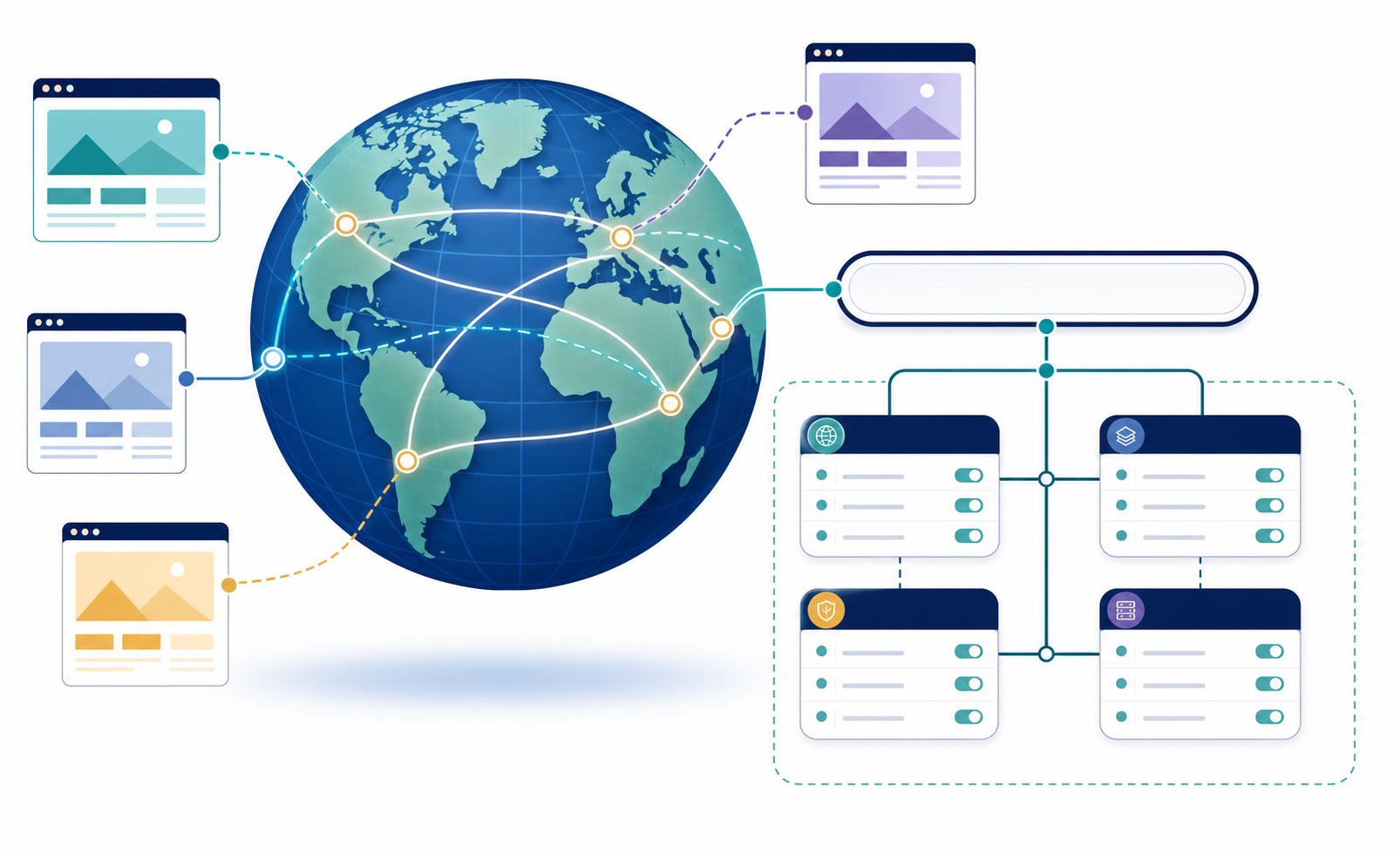
Domains
Keep registrar ownership, renewals, DNS changes, and supplier access visible and documented.

Web Hosting
Coordinate hosting access, renewal dates, backups, supplier support, and planned changes.

SSL
Track certificates, renewal responsibilities, implementation coordination, and change records.

Operational coordination
Keep cross-service actions, provider handoffs, decisions, and escalation paths moving through one accountable operating route.