
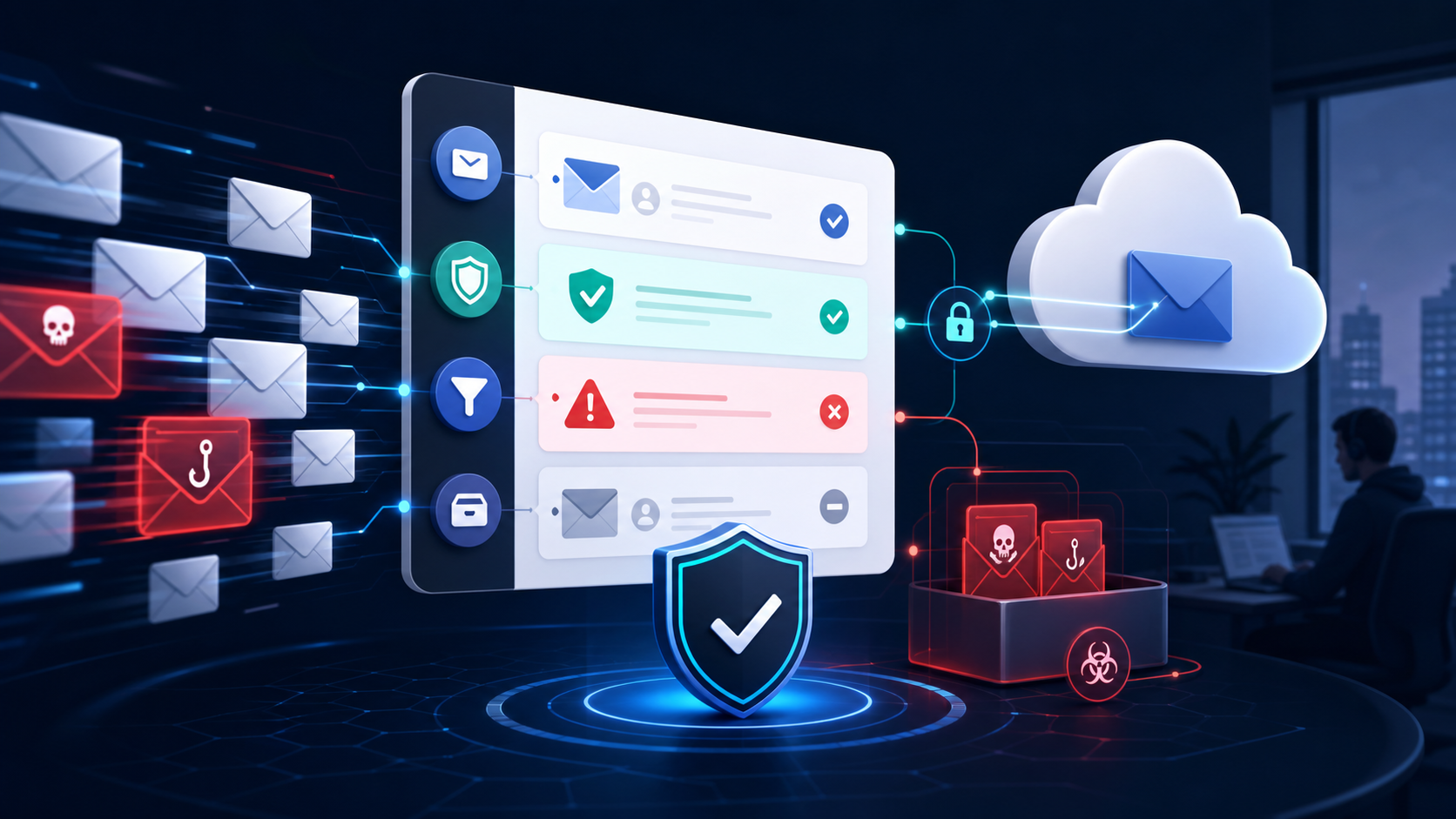
ONE CLICK AND ITS OVER
Increasingly new hazards, viruses, and malware are being discovered as the internet grows. There are various methods to defraud individuals. New methods to determining a person's identity. There are new techniques to get anyone's money. Every piece of key information about you is crucial.
The most successful and dangerous of all the cyber-attacks is phishing. Research has found that 91% of all cyber-attacks start with a phishing email.
Due to its simplicity, effectiveness, and high return on investment, phishing remains the most common form of cyber. Today's phishing attacks are powerful, targeted, and much harder to identify.
WHAT IS PHISHING? Phishing is a type of cybercrime in which a person impersonating a reputable institution contacts a target or targets by email, phone, or text message in order to trick them into disclosing sensitive information such as personal information, banking and credit card information as well as passwords.
TYPES OF PHISHING Email Phishing- Email addressed to a certain team, department, or individual.
Clone Phishing- Cloning an email you received from a legitimate company in the past. Whaling- Executives, department heads, and managers are the targets of an email attack.
Voice Phishing- You'll receive a voicemail instructing you to visit a potentially harmful website.
SMS Phishing- Another method of Phishing is through SMS/ Text messages. HOW PHISHING CAN BE HARMFUL TO YOUR BUSINESS
Phishing is a form of cyberattack that employs fake websites and email campaigns to try and fool people into giving out personal information, downloading malware/ransomware, sometimes both.
Furthermore, phishing attacks are becoming much more clever and prevalent on a global scale. Every year, an increasing number of attacks target organizations of all sizes, from the world's largest companies to small businesses. The largest of corporate targets receive thousands of phishing attempts each month due to their size, reputation, and overall value. Companies of all sizes and industries must take immediate action and protect themselves.
A SUCCESSFUL PHISHING ATTACKS CAN RESULT IN: Identity Theft
Theft of Sensitive Data Loss Money Loss of Usernames and Password
Unauthorized Transactions
Installation of Malware and Ransomware
Access to Systems to Launch Future Attacks
Reputational Damage
HOW TO STOP PHISHING ATTACKS
- Never respond to an email/ text message/ voice message asking personal or account information.
- Never click links that offer to connect you to a company's website if you receive an email that seems suspicious or asks for this type of information.
- Never open any file that attached to an email that seems to be suspicious.
- If the email appears to be from an organization, contact the company's customer service department by phone or from a web browser to confirm that email is legit.
To see if anyone else has reported this scam, search up the email subject line or the word "hoax" on the internet.